

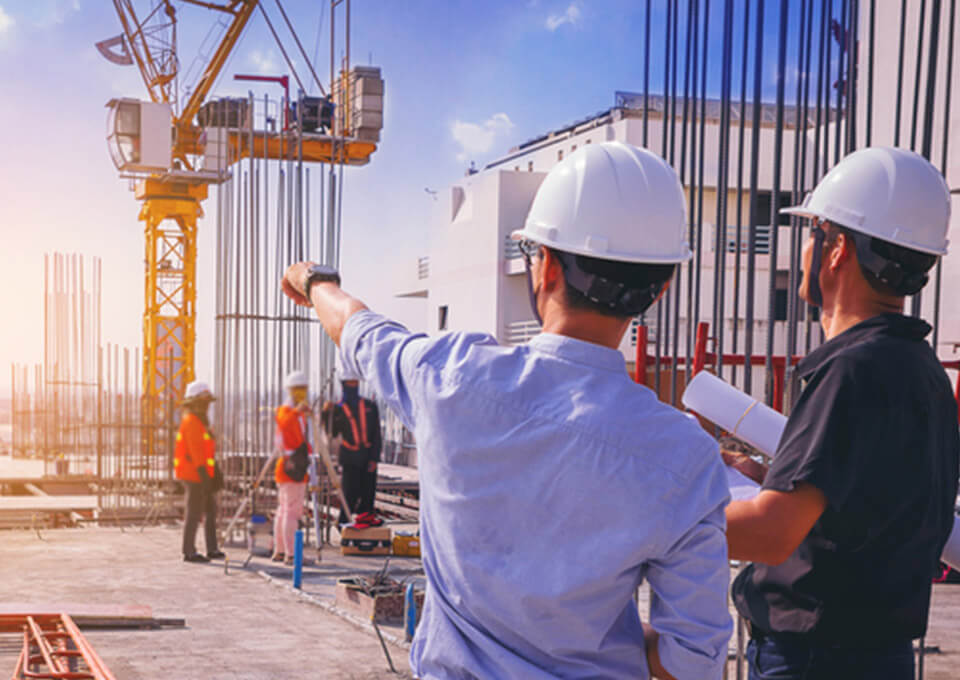
When economists and financial analysts want to take the temperature of an economy, they look at a wide range of data points: GDP growth, unemployment rates, and inflation figures are among the most common. Yet, one of the most powerful and tangible indicators is often visible right outside our windows, the level of construction activity. The sight of cranes dotting the skyline, the sound of machinery at a new building site, and the bustle of workers in hard hats are not just signs of physical development; they are potent signals of economic health, confidence, and future growth.
Construction is a forward-looking industry. A decision to build a new office tower, a shopping mall, or a residential community is a multi-million-dollar bet on the future. It reflects a deep confidence that there will be businesses to occupy the offices, shoppers to fill the stores, and families to live in the homes. Because of the long lead times and significant capital involved, construction activity can often predict economic trends months or even years in advance.
This article from Apavou News will explore why tracking construction activity is such a vital tool for understanding an economy’s trajectory. We will delve into what the data tells us, from employment to investment, and use examples from Mauritius to illustrate how major projects signal broader economic shifts.
Construction as a Bellwether for Economic Confidence
At its core, a construction project is an investment in the future. Developers, investors, and banks do not commit vast sums of capital to a project unless they have a strong conviction that future demand will justify the expense. This makes construction activity a powerful real-time gauge of business and investor sentiment.
The Multi-Year Bet on Growth
Unlike manufacturing a consumer good that can be scaled up or down in a matter of weeks, a large-scale construction project is a long-term commitment. From land acquisition and planning to design, approval, and the physical build, the process can take several years. For a landmark project like The Cube, the decision to build was made years before the first tenant ever moved in. The Apavou Group had to forecast demand for premium office space, analyse economic growth trends, and secure financing based on a future that did not yet exist.
When you see a surge in new construction starts, it means that a significant number of developers and their financial backers have independently concluded that the economic outlook is positive. They are betting that by the time their buildings are complete, the economy will be strong enough to support new leases and sales. Conversely, a sharp drop in construction permits and new projects can be an early warning sign that businesses are becoming cautious and anticipating a slowdown.
A Leading, Not Lagging, Indicator
Many economic indicators, like GDP reports, are “lagging,” meaning they tell you what has already happened. Construction activity, particularly data on new building permits, is a “leading” indicator. A building permit is a formal intention to build. A spike in permits today suggests a wave of construction, spending, and job creation that will unfold over the coming months and years. Economists watch this data closely because it can predict turns in the business cycle before they show up in other official statistics.
The Ripple Effect: Construction’s Impact on the Broader Economy
The economic influence of construction extends far beyond the building site itself. The industry has one of the largest economic multipliers of any sector. This means that for every dollar spent directly on construction, several more dollars of economic activity are generated in other parts of the economy.
Job Creation Across Multiple Sectors
A large construction project is a massive job creator. It directly employs architects, engineers, project managers, construction workers, electricians, plumbers, and landscapers. But the ripple effect is even larger. The demand for building materials stimulates the manufacturing sector (cement, steel, glass) and the logistics sector (trucking, shipping).
Furthermore, the wages paid to these workers are then spent in the local economy, supporting local shops, restaurants, and service providers. The development of Plaisance Mall, for instance, created hundreds of construction jobs. Once completed, it created hundreds more permanent jobs in retail, food service, security, and facility management, demonstrating the long-term employment benefits that a single project can anchor in a community.
Driving Demand for Goods and Services
Construction sites are major consumers. They require everything from heavy machinery and fuel to professional services like legal counsel, accounting, and insurance. This creates a significant downstream demand that supports a wide ecosystem of businesses. When construction is booming, these ancillary industries also thrive. When construction slows, the impact is felt far and wide, from the local hardware store to the national steel producer. This interconnectedness is why a slowdown in construction can be a powerful drag on overall economic growth.
What Different Types of Construction Tell Us
Not all construction is the same. By breaking down activity into its three main categories, residential, commercial, and infrastructure, we can gain a more nuanced understanding of where the economy is heading.
Residential Construction: A Gauge of Consumer Health
The level of residential construction is a direct reflection of consumer confidence and household formation. When people feel secure in their jobs and optimistic about the future, they are more likely to buy a new home or invest in renovating their existing one. A surge in new housing starts indicates a healthy labour market, accessible credit, and a growing population.
Projects like Terre d’été in Mauritius are particularly telling. The development of a large, master-planned community is a response to a clear and sustained demand from families for higher-quality, secure living environments. It signals that a significant portion of the population has the financial stability and confidence to make the largest investment of their lives. A decline in residential construction, on the other hand, can indicate that consumers are becoming worried about their financial future and are delaying major life decisions.
Commercial Construction: A Sign of Business Investment
Commercial construction, which includes office buildings, retail centres, warehouses, and hotels, is a barometer of business investment. When companies are expanding, they need more space. A rising trend in commercial construction suggests that businesses are hiring, increasing production, and expecting future growth.
The development of The Cube by Apavou Mauritius was a clear signal of the maturation of the Mauritian economy. It anticipated the growing demand from international financial services and technology firms for Grade A office space. The investment in such a high-specification building showed confidence that the country could attract and retain high-value businesses. Similarly, a slowdown in office construction can signal that companies are pulling back on expansion plans, a potential precursor to a wider economic downturn.
Public Infrastructure Projects: A Reflection of Government Strategy
The third category is public infrastructure: roads, bridges, ports, airports, and utilities. These projects are typically funded by the government and reflect long-term strategic priorities. A major investment in new infrastructure can be a powerful economic stimulus, creating jobs and improving productivity for decades to come.
When a government announces a multi-billion-dollar plan to upgrade its port facilities or build a new light rail system, it is making a statement about its vision for the country’s future. These projects can unlock new areas for economic development and make the entire country more competitive. Tracking government spending on infrastructure provides insight into public policy and its potential long-term impact on economic growth.
Reading the Skyline in Mauritius
In a focused economy like that of Mauritius, the signals from construction activity can be particularly clear. As the economy has diversified away from its traditional reliance on sugar and textiles, construction has been both a driver and a reflection of this transformation.
The shift toward a service- and knowledge-based economy created a demand for new types of physical assets. The growth in the financial services sector required modern, connected office spaces. The rise in tourism drove the need for world-class hotels and resorts. The increasing affluence of the local population created a market for modern retail experiences and organised residential communities.
The portfolio of the Apavou Group serves as a physical timeline of this economic evolution. From foundational projects to modern landmarks, the group’s construction activity has consistently aligned with the nation’s broader economic shifts. By tracking the types of projects being developed, an observer can map the changing structure of the Mauritian economy in real-time.
Limitations and Caveats
While construction activity is a powerful indicator, it is not infallible. It is important to consider it as part of a broader basket of economic data.
The Risk of Oversupply
A construction boom can sometimes lead to oversupply. If developers become too optimistic and build more properties than the market can absorb, it can lead to a painful correction. A wave of new buildings can result in high vacancy rates and falling rental prices, causing financial distress for developers and investors. This is why it is crucial to look not just at construction starts, but also at absorption rates, the pace at which new properties are leased or sold.
The Impact of Interest Rates and Financing
The construction industry is highly sensitive to interest rates. Most large projects are financed with significant debt. When interest rates are low, borrowing is cheap, which encourages new development. When central banks raise interest rates to combat inflation, the cost of financing new projects increases, which can quickly put a damper on construction activity. A slowdown in construction may, therefore, be a direct result of monetary policy rather than a signal of weakening underlying demand.
Conclusion: The Story Told by Cranes and Concrete
The next time you see a construction site, look at it not just as a temporary inconvenience but as a rich source of economic information. The decision to build is a forward-looking vote of confidence in the economy’s future. The activity itself creates a powerful ripple effect, generating jobs and stimulating demand across a wide range of industries.
By dissecting the type of construction, whether it’s the residential projects of Terre d’été, the commercial ambition of The Cube, or the community focus of Plaisance Mall, we can gain specific insights into the health of consumer spending and business investment. While it is essential to consider the data in context, tracking construction activity remains one of the most reliable and tangible ways to understand where an economy has been and, more importantly, where it is likely going. For the latest analysis on economic trends in Mauritius and beyond, keep following Apavou News.
 Previous Post